“Decolonising safaris isn’t a trend; it’s a return to honest storytelling with land, people and animals.”
It’s time to stop the Disneyfication of Africa. Africa is more than just a vast savannah full of animals and luxury lodges. Instead, let’s focus on the people, cultures and communities that call it home.
The dust rises in lazy, amber spirals as the sun climbs over the savannah. But this is no ordinary safari narrative. It’s a story being rewritten from the ground up, a bold contest of centuries of storytelling that kept Africa’s most breathtaking landscapes as stage-set rather than sovereign. Decolonising safaris isn’t a brand-new gimmick; it’s a return to a more honest, inclusive relationship with land, people and animals. And the stakes are high: culture, conservation and community livelihoods are all on the line.
For decades, the safari have-vs. seen-it-all dynamic settled around a single axis: who gets to narrate the wilderness? Too often, the lens has been external as expats and global tour operators translated Africa into a consumable myth. Tee-off times and heart-racing “big five” bingo boards replaced nuanced ecosystems, seasonal rhythms and the lived experiences of neighbouring communities. The result? A monoculture of experiences that prefer spectacle over stewardship and polish over provenance.

Today, a counter-wind has gathered force. It’s led by a new generation of lodges that trade opulence for authenticity, and by initiatives that insist on local ownership, local guides and local languages echoing through the bush. In East and South African savannah wildernesses and beyond, chain lodge owners like Uganda’s Amos Wekesa of Great Lakes Safaris and Zimbabwean Beks Ndlovu, founder of the African Bush Camps portfolio,
are rethinking the ethical bottom line: ownership, profit-sharing and decision-making power. They are not just offering wildlife viewing; they’re embedding cultural custodianship into every guest encounter with stories of the land told by the people who have safeguarded it for centuries.

The lodges themselves are a visual manifesto of this shift. Architecture embraces vernacular materials with thatch, timber and stone blending into landscapes with a light touch. Rooms are sanctuaries that respect wildlife corridors, solar-powered retreats that minimise footprint, and kitchens that celebrate crops grown by nearby communities. Guides, many of them women, many from the communities where the lodges sit, lead guests into the ecosystem with a pedagogy that foregrounds ecological literacy and cultural context. It’s not unusual to be invited to a village market, to learn how beadwork carries lineage, or to hear a grandmother’s oral history of the land woven into the migration patterns of beasts.
The new wave also refuses the simple wildlife spectacle for a more layered approach to conservation. If the previous era counted animal sightings, today’s initiatives catalogue indigenous knowledge, traditional medicine and seasonal ecological cues as vital components of a living itinerary. Community conservancies, funded in part by guest contributions, are protecting waterholes, reviving ancient fire regimes that sustain grasslands, and curating long-term plans for human-wildlife coexistence. In practice, this means fewer bumper-sticker “best-of” moments and more immersive experiences like tracking with a factual linguist, learning the healing power of herbs from a healer, or restoring a culturally significant site with local elders as co-curators.

The shift is not merely about fairness; it’s about resilience. Tourism that aligns with community needs creates durable stewardship. It makes conservation work that flourishes decades after the visiting guests have departed. When communities own the means of production — the lodges, the guiding enterprises, the cultural storytelling — it becomes materially viable to protect the landscapes that generate wealth.
The result is a regenerative loop: restored ecosystems, revived cultural practices and livelihoods that depend on a healthy, living wilderness rather than a snapshot in a travel brochure.
Yet the road is not without friction. Global brands, accustomed to standardised safari binaries, may resist change that unsettles their operating models. Some guests arrive hungry for the conventional “safari experience” and interpret decolonisation as a shift away from the thrill of the chase. True decolonisation requires education, humility and a willingness to redefine what constitutes a remarkable journey. It’s about awe that’s earned, not assumed, and about encounters that elevate voices rather than silence them.

There are still glimmers of old-world glamour in the wide vehicles, starched uniforms and evocative press-release magic, but increasingly, the shine comes from collaborations built on mutual benefit and shared authority. A guest can now hear the elders speak in their own dialects, taste dishes prepared with ancestral recipes, and walk away with a deeper understanding of the land’s complexity — the wariness of predators, the generosity of rain, and the fragile balance that sustains both wildlife and human life.
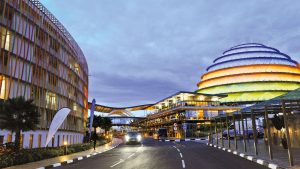
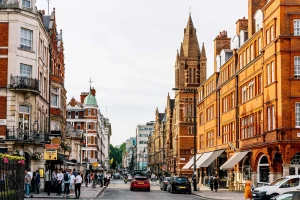
A discerning Western traveller should see Africa as more than wildlife — it’s a continent like Europe, Asia, or the Americas: a mosaic of countries offering diverse cuisines, modern cities, vibrant arts, hillside villages where traditions endure, and innovative local experiences. Safari tourism should showcase all these facets, not just the outdoors.
This is safari as stewardship, not conquest. It’s a travel revolution that invites you to lose yourself in a place that refuses to be owned, a landscape that asks for partnership rather than applause. In this brave new world, the best safari is not the one that checks every animal off a list; it’s the one that leaves a lasting imprint on the people who keep the land alive. The decolonisation of safaris isn’t a trend; it’s a necessity that is long overdue, finally underway, and waiting for travellers who crave depth as much as wonder.