When the three East African countries of Uganda, Kenya and Tanzania were awarded the hosting rights for the 2027 Africa Cup of Nations by the CAF Executive Committee, there was unconfined euphoria in the region. Never before in the 67-year history of the prestigious competition had the tournament been staged in this region, and that victorious bid was viewed as a watershed moment for sport in the three football-mad countries.

For football enthusiasts, the Pamoja bid means that in three years, the continent’s best footballers will be in the region to flex their muscles for the right to lift the trophy for their countries. Football stars like Senegal’s Pape Matar Sarr, Morocco’s Bilal El Khannouss and Ivory Coast’s Karim Konate will be the biggest stars on the continent come 2027 and will be cornerstones in the ambitions of their respective countries.
However, Pamoja will be a lot more than football. When countries put together bids to win the right to host massive events like the Africa Cup of Nations, the rewards very often trump sport. As with every successful bid, the first and most noticeable turnaround is significantly around infrastructure.
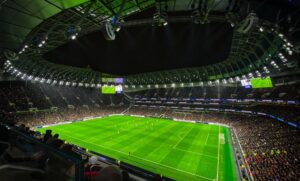
A victorious bid is always hinged around the construction and upgrade of hotels, building of new roads, expansion of airports, and renovation or creation of new training facilities and stadiums. Tanzania, for instance, has already had two new stadiums commissioned, while in Uganda, the ground-breaking for a 20,000 multi-purpose is due later this year. Kenya is also preparing to build and renovate its stadiums.
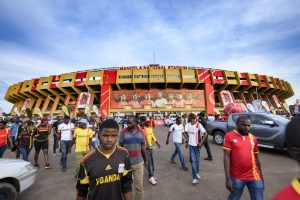
The 2017 Africa Cup of Nations tournament will come and go, but the infrastructural gains will live on. Uganda has long been lagging in this regard, but the ongoing renovations of various football facilities around the country will leave the nation in better standing long after the final ball has been kicked. Mandela National Stadium at Namboole and Nakivubo Stadium have been earmarked for use during the tournament, subject to critical modifications for conformity to CAF and FIFA standards. These changes are currently ongoing.

In an age where sports tourism is the norm, Pamoja couldn’t have come at a better time. East Africa will get its long overdue chance to host not just Africa but the world. Football tourists enjoy adventure and the plan to have a single visa for the region will allow for smooth entry and exit of Afcon fans in Uganda, Kenya and Tanzania.
The rich heritage of East Africa’s wildlife and nature’s creations like the River Nile, the Rwenzori Mountain Ranges, Queen Elizabeth National Park, Kidepo and others will be on show for tourists keen to discover Uganda and the joint-hosting neighbours. Tanzania’s Serengeti National Park, Ngorongoro Conservation Area and Tarangire National Park are all guaranteed a peak season come 2027, as will Kenya’s attractions like Amboseli, Tsavo, Lake Nakuru National Park and the Maasai Mara National Reserve.
The vibrant night economy of Uganda is going to reap much from the month-long activities. When national teams win, their fans are sure to celebrate victories. When football teams lose, their fans console themselves by partying. Bi-ennial tournaments like the Africa Cup of Nations give soccer fans an excuse to party into the wee hours of the morning, considering that the period is deemed a holiday for most tourists.
Every lodging facility will experience an upsurge in business, with profits expected to shoot through the roof. Tour and travel operators can expect round-the-clock activity because of the numbers that will descend upon the region. Such is the power of football.
The traffic of fans in the region, crisscrossing between countries, will translate into forex. Restaurants will benefit greatly; art and crafts shops will notice a spike in sales, and generally, those in the service industry will witness an upturn in their sector for that period. Boda Bodas, too, will cash in.
Football is a billion-dollar economy globally. When East Africa hosts the Africa Cup of Nations in 2027, its overall impact on the region will outlive the football played during the month-long competition.